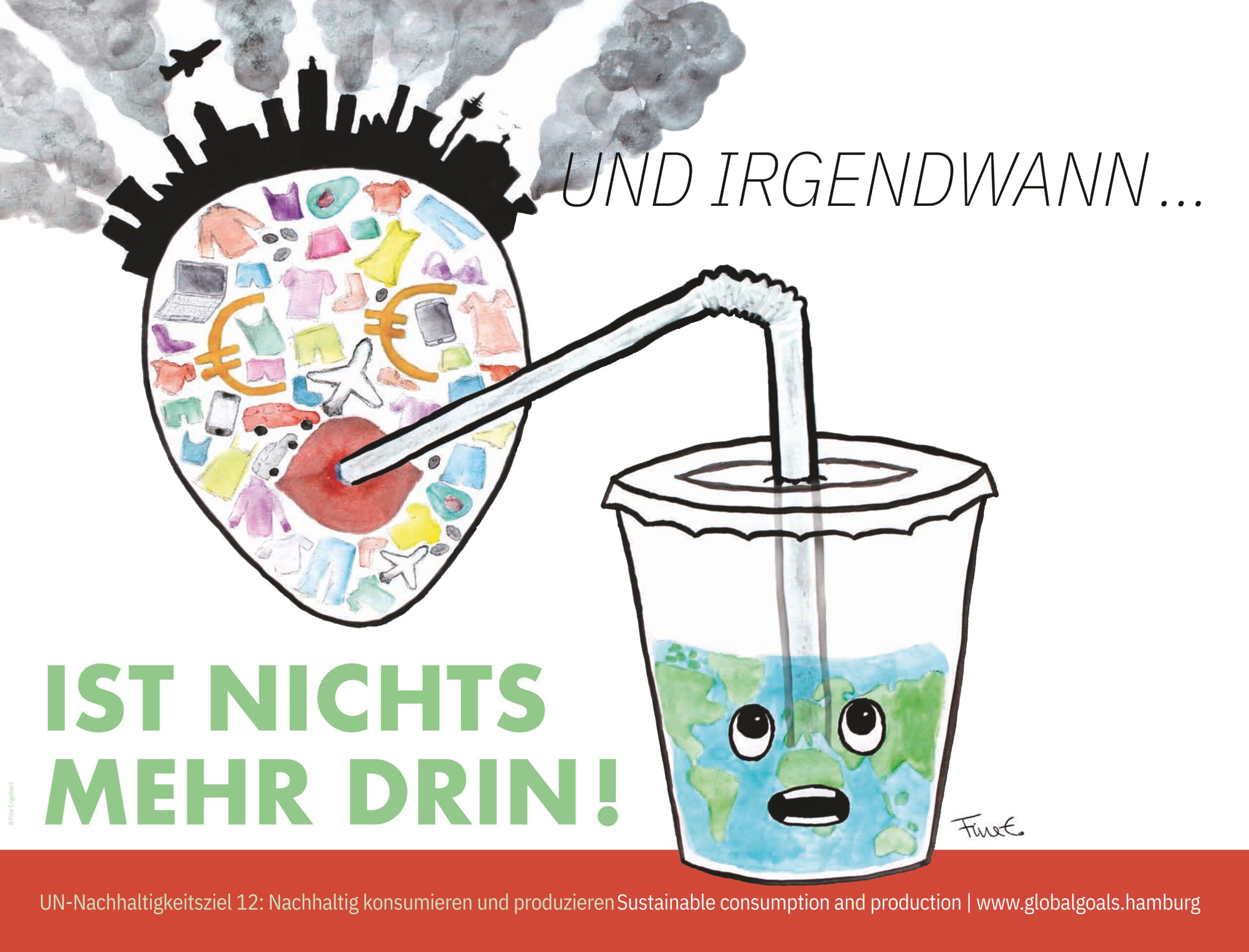
Humanity is living on credit: every year, it consumes more of the Earth’s natural resources than the planet can replenish in the same period. Today, the Earth’s ecosystems need almost 18 months to renew what the global population uses up in just 12 months. This overuse of the planet’s regenerative capacity means that the natural resources consumed will be lost for future generations.
Since 1970, global resource consumption has roughly quadrupled. The main causes of this rapid depletion of natural resources are environmentally harmful production practices such as “fast fashion,” food waste, climate-damaging mobility, and other unsustainable lifestyles. Less than 10% of the global resources used are recycled within a circular economy. Around 17% of the food produced worldwide is wasted. If this trend continues, by 2050, three Earths will be needed for all people to meet their needs in an adequate and socially just way. Violent conflicts over natural resources will thus be inevitable.
While people everywhere on Earth are consuming more than ever before, consumption is rising most rapidly in wealthy countries and population groups. The raw materials used worldwide primarily serve the needs and consumption habits of people in the Global North. The approximately 3.3 billion people – nearly half of the world’s population – who live at or below the poverty line, do not face this issue. They do not consume too much but too little – often barely enough to survive (see the Oxfam study “Gewaltige Ungleichheit,” 2022).

Source: mac231:pixabay
The task of SDG 12 is to stop the ecologically unsustainable and socially unjust global overuse of resources. Its goal is to ensure sustainable production and consumption patterns – worldwide and within the planet’s boundaries, respecting universal human rights, social justice, and the preservation of biological and cultural diversity.
Goals of SDG 12
The UN Sustainable Development Goal 12 addresses the entire chain of goods production and consumption, from resource extraction through the manufacturing and transportation of goods, to consumption and the use of services, all the way to disposal and recycling. It aims to ensure that natural resources are used sustainably and efficiently, that waste is avoided or recycled, and that hazardous waste is disposed of safely. Food waste should be halved by 2030. Companies and authorities should be encouraged to promote a circular economy, adhere to human rights and ecological standards in their supply chains, and prioritize sustainable products in procurement. Additionally, consumers should be better informed about their opportunities for sustainable consumption.
Furthermore, SDG 12 includes goals such as strengthening sustainable tourism, eliminating environmentally harmful subsidies, and other measures to strengthen the capacities necessary for a sustainable economy in the Global South.
SDG 12 holds both entrepreneurs and all those involved in the production and trade of goods, as well as consumers, accountable for changing their economic practices and lifestyles in a sustainable way. This must be done in a way that does not jeopardize the fulfillment of the basic needs of both current and future generations – everywhere on Earth.
With its calls to action, SDG 12 particularly targets the wealthier segments of the population in industrialized countries, as well as those who have enough wealth to participate in production and consumption beyond their basic existential needs. However, it is understood that these enormous tasks cannot be solved merely by changing consumer buying behavior but that legally anchored, internationally binding rules for production and supply chains must be established.

For poorer countries, regions, and populations, the focus is on securing basic needs, combating poverty and hunger, and strengthening functioning infrastructures. They also need support from the global community in building resilient and sustainable production methods (e.g., ecological farming and Fair Trade cooperatives).
Like other SDGs, SDG 12 is closely linked to most of the other sustainability goals, such as the issue of decent work conditions (SDG 8), reducing inequalities (SDG 10), climate action (SDG 13), adequate healthcare (SDG 3), ending poverty (SDG 1), sustainable energy supply (SDG 7), building resilient infrastructures and sustainable production systems (SDG 9), and promoting quality education (SDG 4). The full text of SDG 12 with all sub-targets can be found here (German) and here (English).
Implementation of SDG 12: Globally and in Germany
In 2012, the UN adopted a ten-year program for sustainable consumption and production patterns, which was supposed to set the framework for achieving SDG 12. To implement this, the One Planet network was established, which includes governments and non-governmental institutions. Over the last five years, the network has focused on areas such as food, tourism, consumer information, and education. However, progress toward achieving its goals has been slow. The reasons for this are cited as the governments’ actions being too slow and disjointed, as well as insufficient legal and financial capacities (see Global Policy Forum). Most participants lack the political will to make effective legal interventions and regulations in international goods production and consumption based on sustainability criteria. Meanwhile, global resource consumption continues to rise rapidly.
Germany not only overuses resources within its own country but also consumes a disproportionately high amount of globally available natural resources – far more than most other countries. The population of Germany consumes approximately three times the ecological resources that would be sustainably available to them. Their “ecological footprint” – the amount of land and water a person or population consumes each year – amounts to about 4.7 global hectares (gha) per person. A sustainable or future-proof level would be only 1.6 gha per person annually. In 2022, Germany had already exhausted all its available resources by the beginning of May.
With its current sustainability strategy, the German government aims to counter this overuse. The measures identified include promoting a circular economy, decoupling growth from resource consumption, legally establishing sustainable supply chains, preventing and responsibly disposing of waste, and more efficient use of raw materials. The government states that “incentives for sustainable resource management” need to be created. For instance, the public procurement law of 2016 mandates the consideration of social and ecological criteria in the purchasing and tendering processes of public authorities and institutions. This so-called “public procurement” system, with its substantial contract volumes, holds significant market power and can be a powerful lever for more sustainability.
However, the independent Global Policy Forum concluded in its 2020/21 interim assessment that Germany has largely failed to meet the self-imposed goals regarding SDG 12.
A consistent alignment of the economy with sustainability criteria – such as the legal incorporation of human rights and environmental standards for corporate practices – is still lacking. Existing economic alliances (e.g., for sustainable textiles or cocoa) remain voluntary and do not impose binding obligations on companies. The “Supply Chain Act” passed by the federal government in 2021, aimed at ensuring human and environmental rights are respected across supply chains, is considered weak and insufficient due to powerful lobbying from the business community.
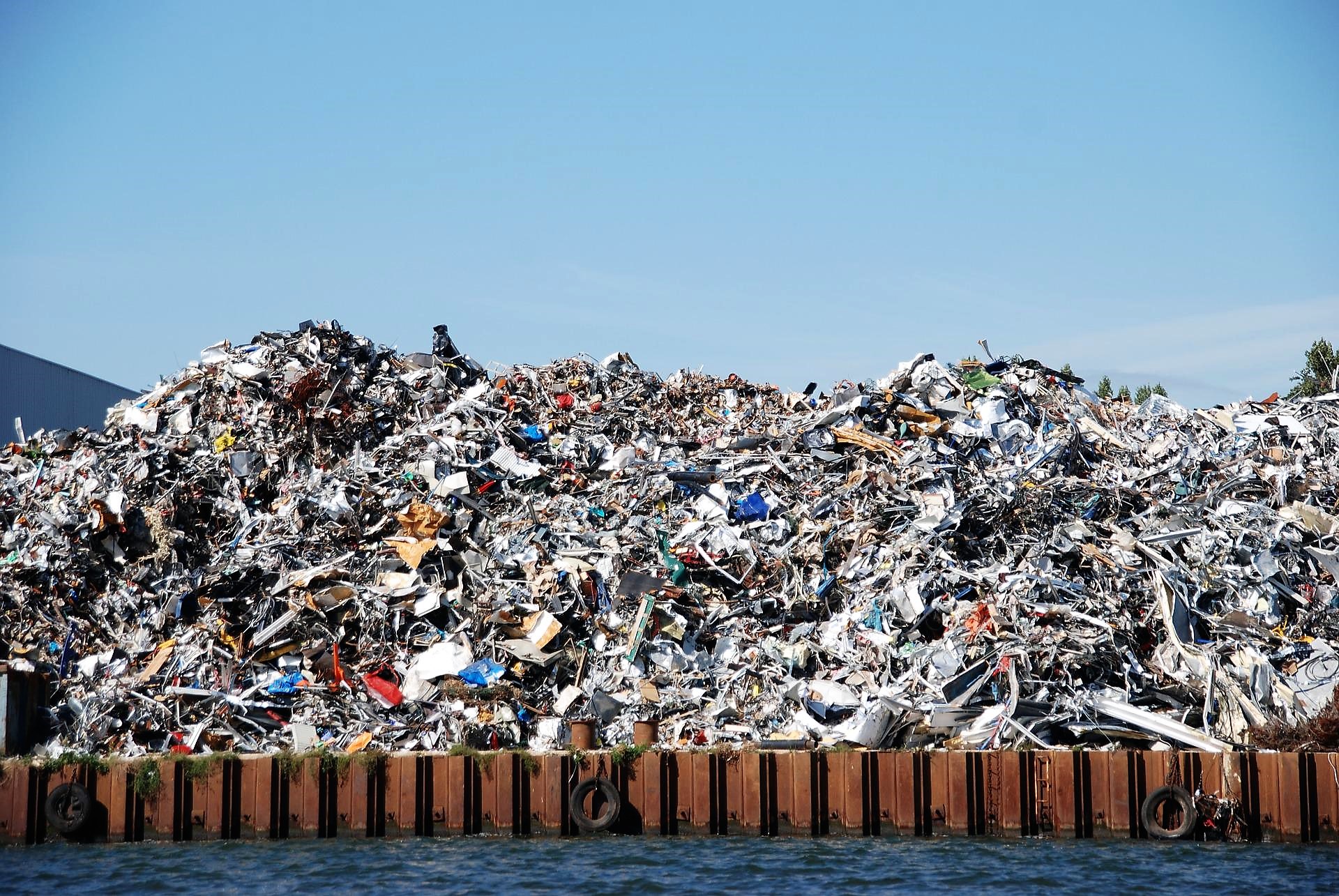
While Germany’s recycling rate is formally relatively high, it only measures the amount of waste that is supposedly sent for recycling. This includes plastic waste that is exported to other countries. Studies show that only 7% of the waste is actually reused in a meaningful way in the context of a circular economy (see: documentary “Die Recyclinglüge”). Moreover, the (supposed or partial) recycling process distracts from the most important task: waste prevention! In Germany, each person produces an average of 632 kg of waste per year – only people in Denmark, Luxembourg, and Malta produce more waste in the EU. The best protection of natural resources is to avoid using them in the first place.
The government has also significantly lowered its targets for the more efficient use of raw materials (so-called resource productivity) in recent years.
For more information, there is an overview of the SDG 12 activities of the Federal Ministry for Economic Cooperation. For criticism of inadequate government measures to protect resources, see the background information on the German Overshoot Day.
Ensuring Sustainable Production and Consumption Patterns
One of the most effective contributions to achieving SDG 12 can be summarized under this motto: refuse, reduce, reuse, rethink, and recycle (The 5 R’s of Sustainability). Refusing or avoiding resource use is the most important contribution to sustainable development. The Earth’s ecological resources must be used as little as possible and, wherever possible, reused.
A wide range of initiatives and actors from the NGO sector have been relying for decades on their own efforts, rather than the government’s slow and (economically) compliant measures, and are actively engaged in various areas to promote more sustainable consumption and production patterns.
Here are some examples:
- Cradle to Cradle / Circular Economy
The Cradle to Cradle principle views production and consumption as cycles – starting from product design, manufacturing, and usage to eventual take-back.
A brief overview of other alternative economic concepts can be found here. - De-Growth / Post-Growth
The De-Growth / Post-Growth concept proposes that only as much should be produced as can be recycled or reused. It places a special emphasis on the fairer distribution of wealth. - Sufficiency / Enough is Enough
Sufficiency means that economic systems and lifestyles must move away from overconsumption of energy and resources. Enough is enough. - Sharing Economy
The sharing economy focuses on the shared use of a wide variety of resources. This can include couch surfing, carpooling, shared items, second-hand clothing, technology, and much more. The concept is controversial, as “sharing” can lead to increased consumption due to easier access to resources. Furthermore, critics point out that for sharing to occur, there must be money or material available to share, which many people do not have.
This critical contribution asks: The Big Share: How sustainable is the Sharing Economy really?

Movement for the “Right to Repair”
In many countries, people are increasingly demanding the right to repair. The “Right to Repair” movement calls for all companies to provide consumers with the necessary knowledge and tools to repair their products, including manuals, guides, and spare parts that can help them.
In Germany, there is the “Runder Tisch Reparatur” (Round Table Repair). More information on this initiative can be found here.
Education and Action
There are many websites, platforms, campaigns, and actions focused on sustainable consumption and production. Here, we have compiled a list of some that provide background information as well as concrete actions and options for engagement.
- https://www.kritischerkonsum.de/
This website offers a wide range of practical tips for action, covering topics such as food, textiles, technology, energy, mobility, and fair trade. - https://culpeer-for-change.eu/quiz/de
On this site, you can take a quiz for each of the SDGs with 12 questions and three possible answers, one of which is correct. At the end of the quiz, you will find explanations of the correct answers along with further material (links, videos, graphics, texts) for each question. - http://www.zelt17.de/
For festivals, street fairs, or action days, zelt17 offers an interactive exhibition on all the SDGs with background information and action suggestions. The exhibition is regularly updated and can be adapted to meet specific needs and circumstances. - https://www.forum-fairer-handel.de/
For over 50 years, Fair Trade has fought against the injustices in global trade – both in Germany and worldwide. In Germany, around 100,000 people are actively involved in the fair trade movement. Fair-traded products ensure that producers receive a higher and fairer price, which secures a livable income and contributes to joint social and infrastructure projects. The focus is mainly on supporting small-scale ecological farming and handicrafts.
Ecological Footprint and Handprint
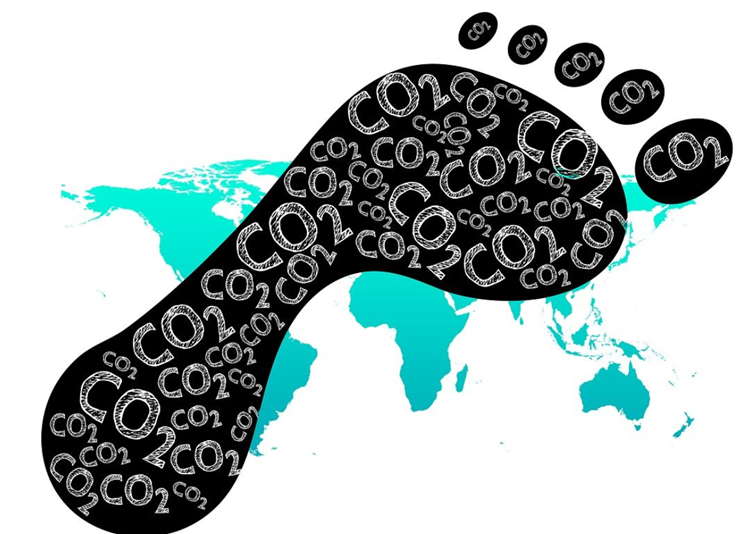
We all have it: the ecological footprint. The footprint describes how much land an individual or a population needs to meet their resource demands. Criteria include, among others, the origin and type of food consumed, the transportation methods used, and the production conditions of consumer goods. You can calculate your own footprint here. And then there’s the handprint, which we have in our hands – the lever for change. There are many ways to leave a positive handprint. Our actions leave a handprint. That’s encouraging! More about it here.
Earth Overshoot Day
Earth Overshoot Day is the day when all the natural resources that Earth can provide in one year are consumed. In 2022, this day fell globally on July 28th. However, in Germany, the resource consumption is so high that in 2022, it was already consuming resources beyond its means as early as May 5th. From that point on, resources were used that will no longer be available for future generations.
Here, everyone can calculate when their own Earth Overshoot Day will be reached.
Sustainable Production and Consumption in Hamburg
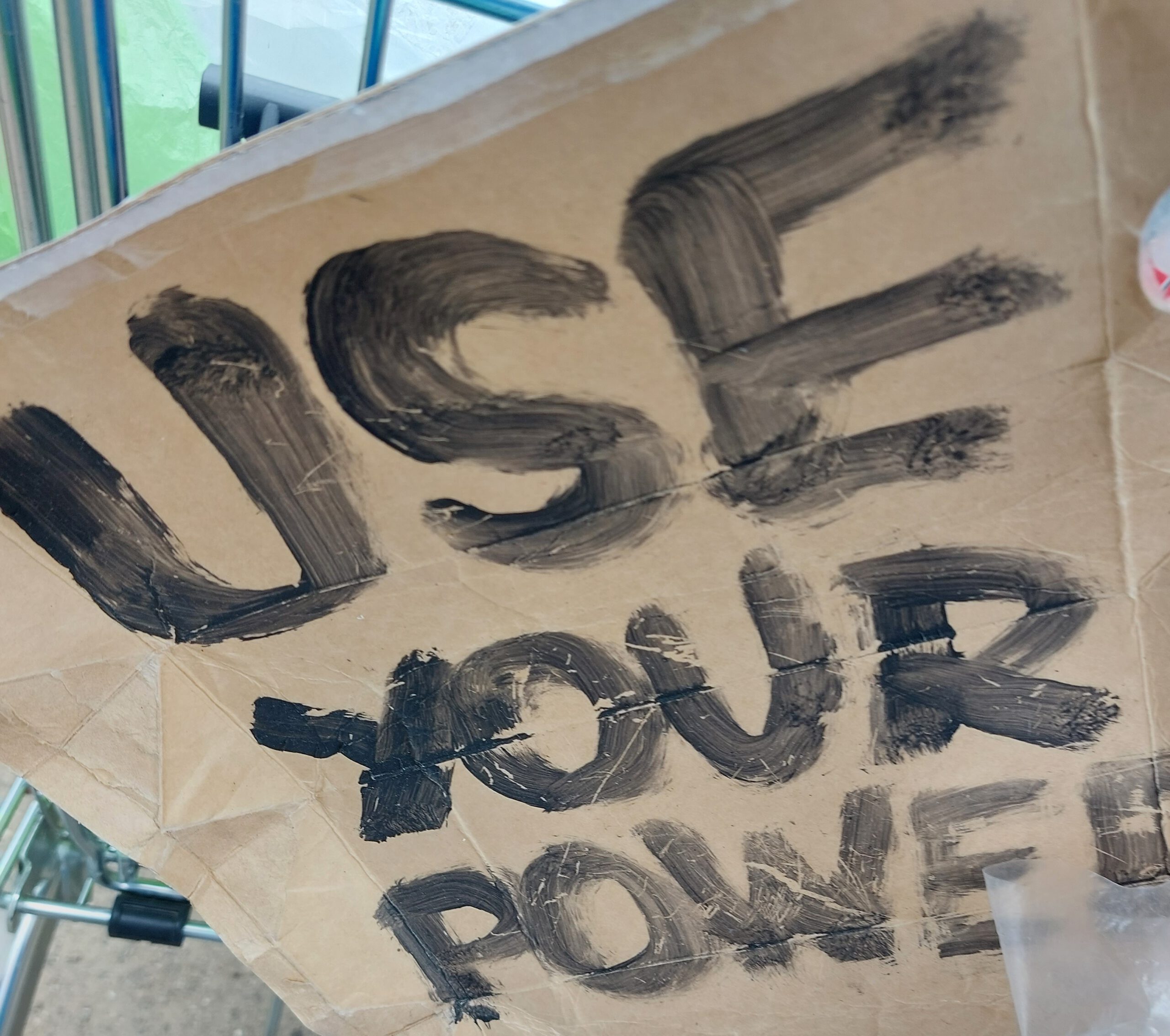
Sustainable consumption and production are fundamental to achieving the UN Sustainable Development Goals. Above all, decisive action is required at the political level. Policies and laws need to be enacted to ensure that environmentally harmful products are no longer produced, overproduction is halted, and working conditions across the so-called supply chain are fair and sustainable. Therefore, the call is: Use your power!
There are a variety of initiatives, businesses, and movements in Hamburg that have been working for a long time to make sustainable production and consumption a natural part of the present and future. Here are some examples:
Zero Waste Initiatives:
- In Guter Gesellschaft (Café)
A café dedicated to sustainability and fair trade, promoting ethical consumption with locally sourced, organic ingredients. - Stückgut (Unverpackt Laden)
A zero-waste shop offering a wide range of products without packaging, encouraging customers to bring their own containers and reduce waste. - “aufgefangen” – Gemeinsam gegen Lebensmittelverschwendung
An initiative led by the Consumer Protection Senator aimed at reducing food waste. It focuses on redistributing surplus food to avoid unnecessary waste.
Sustainable Cafés & Gastronomy:
- ONE Fair Trade Café (Lübeck)
A café that offers a selection of fair trade, sustainably sourced products, creating awareness around sustainable eating and drinking. - El Rojito Café
A café in Hamburg that specializes in organic, fair trade, and locally sourced ingredients, offering a sustainable alternative to traditional cafés. - Café Elbfaire
Known for its commitment to sustainability, this café serves fair trade products and focuses on ecological practices in its daily operations.
Fair Trade & Ethical Consumption:
- Hamburger Weltläden
These fair trade shops in Hamburg provide consumers with access to products that promote better working conditions and sustainability in the Global South. - hamburg mal fair
A platform offering educational programs and activities for young people on fair trade, helping them understand the importance of ethical consumption. - Fairtrade Town Hamburg
Hamburg has been recognized as a Fairtrade Town, with the Fair Trade campaign offering a city map to guide citizens to stores selling fair trade and eco-friendly products.
Share Economy
- The platform fainin, founded in Berlin by Johann, Max, and Kevin, is a prime example of how sharing platforms can contribute to sustainability and a more conscious way of consuming. Their motivation behind the platform is summarized as follows:
“Sustainability Begins with Sharing
Most of the items we own are used only once. This led to the idea of creating a platform that enables sharing, and thus, the multiple use of these resources. This not only offers an ecological benefit but also a financial one. Users of our platform have the opportunity to earn passive income by lending out unused items or to borrow items at a low cost. In this way, we aim to promote conscious consumption and counter mass consumption through efficient resource distribution.“