Story of SDG 6: Clean Water and Sanitation
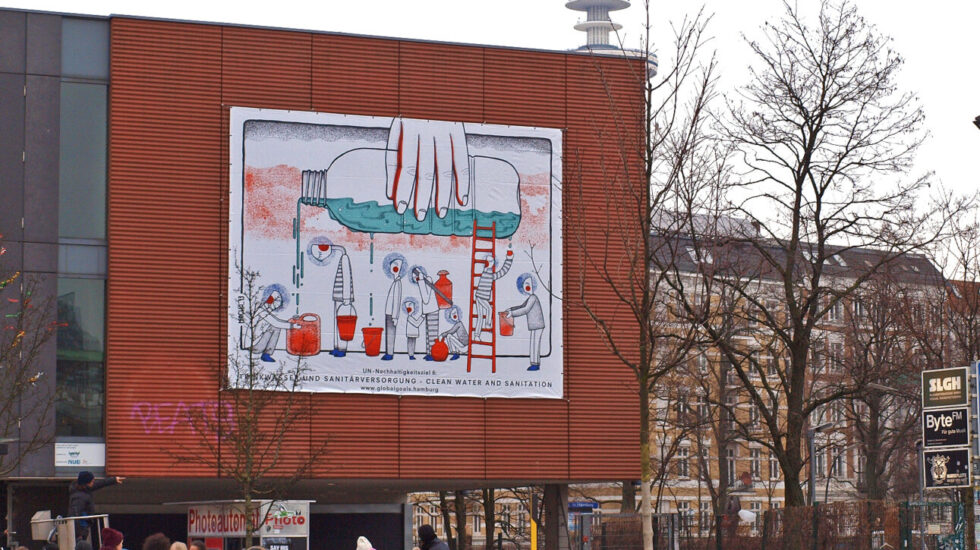
„There are things that simply must not be commercialized…“
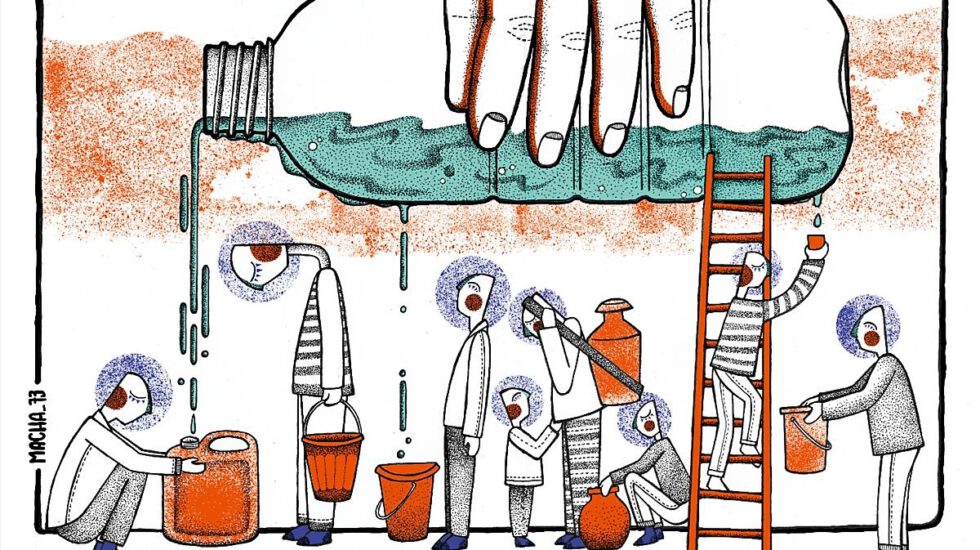
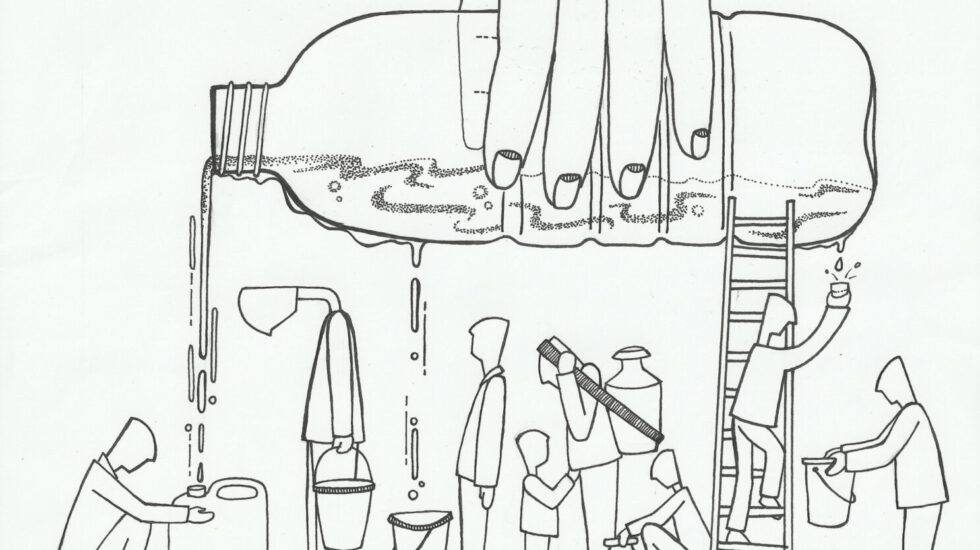
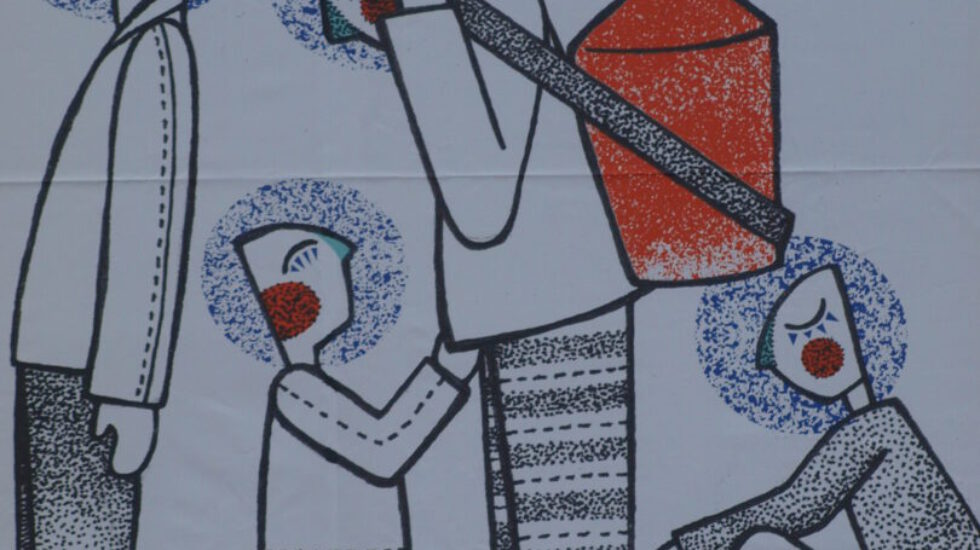
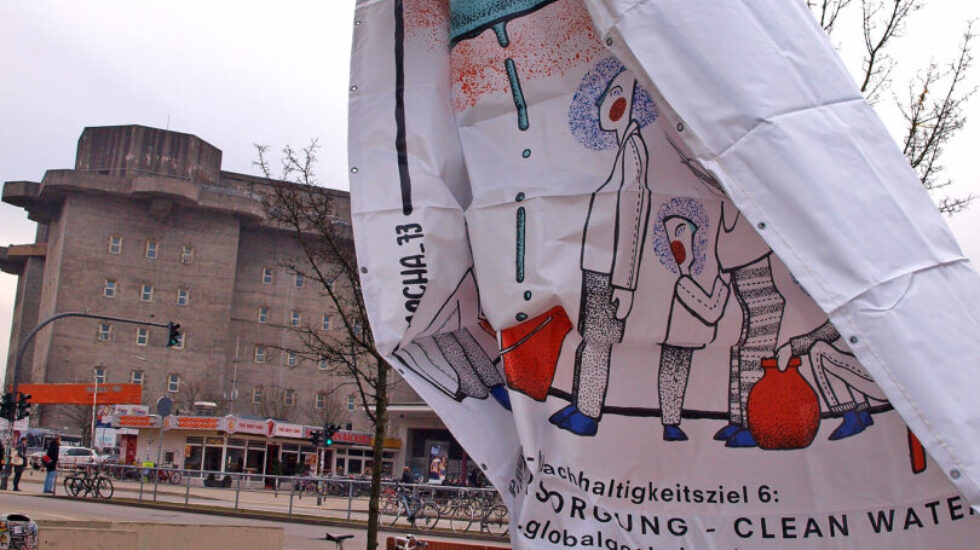
This is how a reader commented on the mural installed in February 2018 for SDG 6, “Clean Water and Sanitation for All.” The Nepalese mural artist Shradda Shrestha (@Macha_73) from Kathmandu created it. Shraddha Shrestha is, among other things, a co-founder of ARTLAB, a collective of street artists. She has worked internationally as a street artist and has already created two murals in Hamburg. Examples of her art can mainly be seen here.
The SDG 6 mural, “Drinking Water and Sanitation,” was created in collaboration with the Millerntor Gallery and Viva con Agua de St. Pauli e.V. This collaboration arose naturally from the location and the theme: Viva con Agua Arts has its office at Neuer Kamp 32, the very building where the mural is located. SDG 6, which is to be achieved by 2030, emphasizes the necessity of ensuring the availability and sustainable management of water and sanitation for all people.
In short: it’s all about WASH – WAter, Sanitation, and Hygiene!
Since 2006, Viva con Agua (VcA), through its international network of WASH projects, has been working worldwide to improve access to drinking water and sanitation facilities in countries of the Global South. Their goal is to ensure that everyone around the world has access to clean drinking water and basic sanitation. To achieve this, VcA supports a wide range of projects and initiatives both nationally and internationally. The supported water projects are designed to be sustainable and always include components for sanitation and hygiene to ensure access to clean drinking water.
The Viva con Agua team maintained contact with the artist, who worked entirely from Kathmandu throughout the process. As an in-person meeting was unfortunately not possible, the design drafts, thematic discussions, and finalization of the mural were all conducted online.
The project team provided the following context for Shradda Shrestha:
“We see the context of SDG 6 as an excellent follow-up to SDG 1 and the image that was created in a discussion process by the artist Eckart Keller. He chose to illustrate land-grabbing, monocultural agriculture, the destruction of natural resources and biodiversity and access to these, the use of privilege and power for capital accumulation in the name of ending poverty. His intention was to spark a radical debate about ending poverty within a capitalist economic system. He is suggesting that other forms of production and access to means of livelihood and resources are needed, and that gender equality plays an important role in combating poverty. His image also relates to SDG 2, ‘End hunger, achieve food security and improved nutrition, and promote sustainable agriculture.’ Ending poverty and hunger are foundational for SDG 3, ‘Ensure healthy lives and promote wellbeing for all at all ages.’ Neither ending poverty nor hunger, nor ensuring healthy lives, can be achieved without SDG 6: availability of water and sanitation for all.”