Story of SDG 1: End Poverty


“Fighting poverty where it arises…”
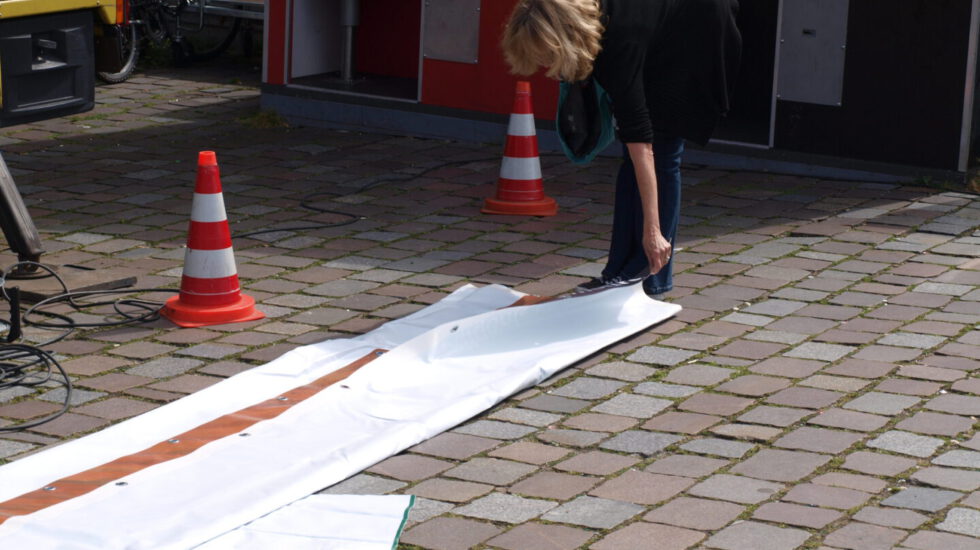
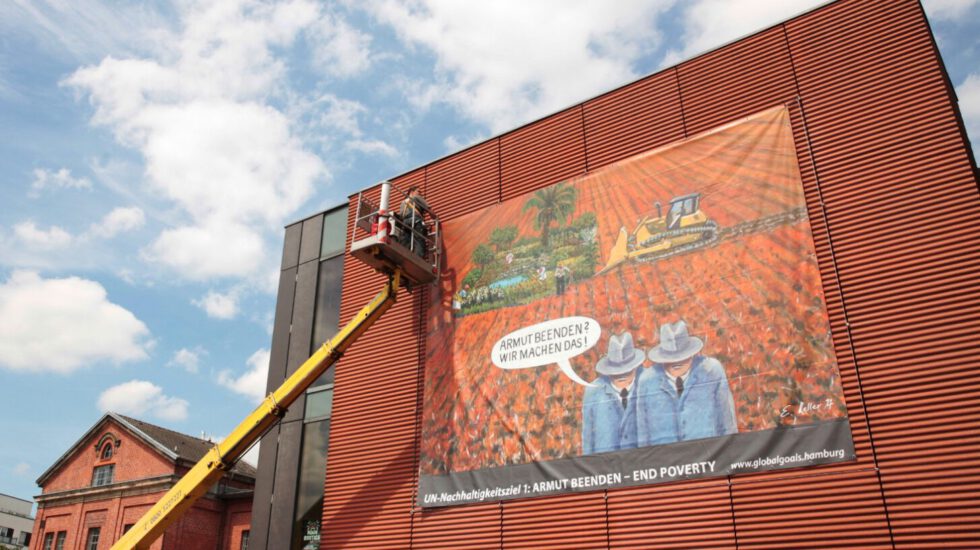
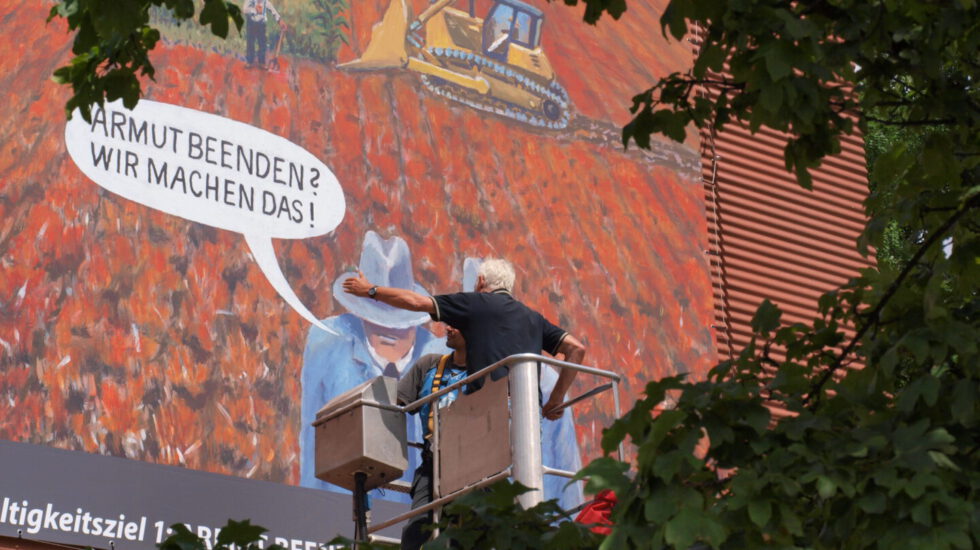
This is what Eckart Keller wanted to express. The first mural of the project was dedicated to SDG 1 “End Poverty”. It was designed by the Hamburg-based mural artist Eckart Keller and installed in June 2017, shortly before the G20 summit.
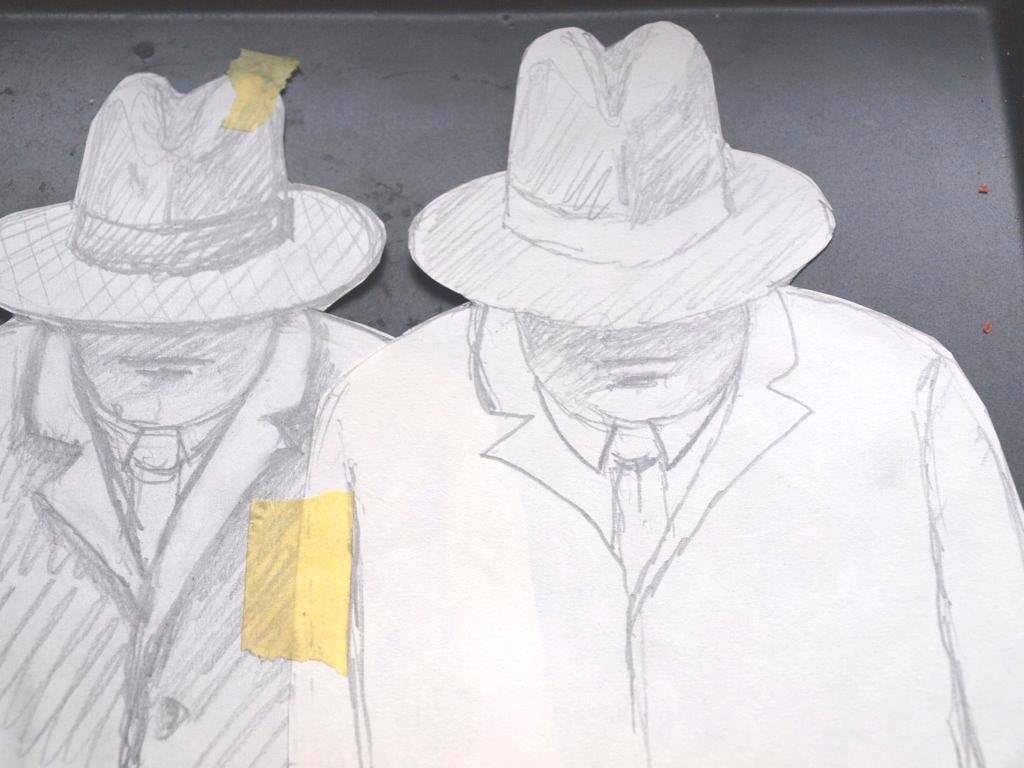
For a long time, our project team, a workshop group, and various people discussed how an image on this topic could look. It should not simply depict poverty, but above all tell stories about the causes and connections of poverty, allow room for interpretation, and also point to possible solutions.
The image was also intended to have strong symbolic power so that everyone could relate to it; it should not depict a specific situation at a particular place, yet still correspond to the global political, economic, and social reality. It should give viewers impulses about how and where poverty arises and how it can be effectively and sustainably reduced—through personal and political actions. Although set in a rural scene, the motif should also be meaningful in an urban context and transferable to it.
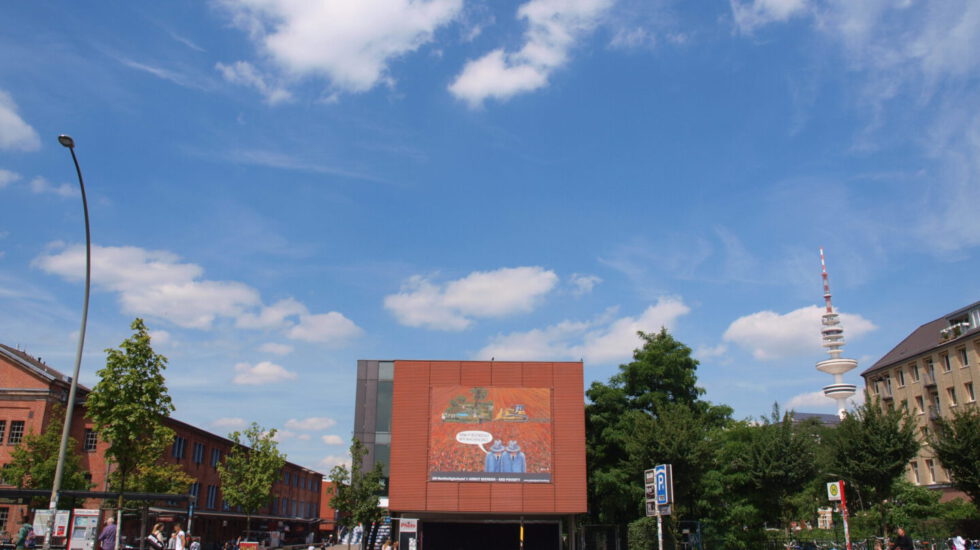
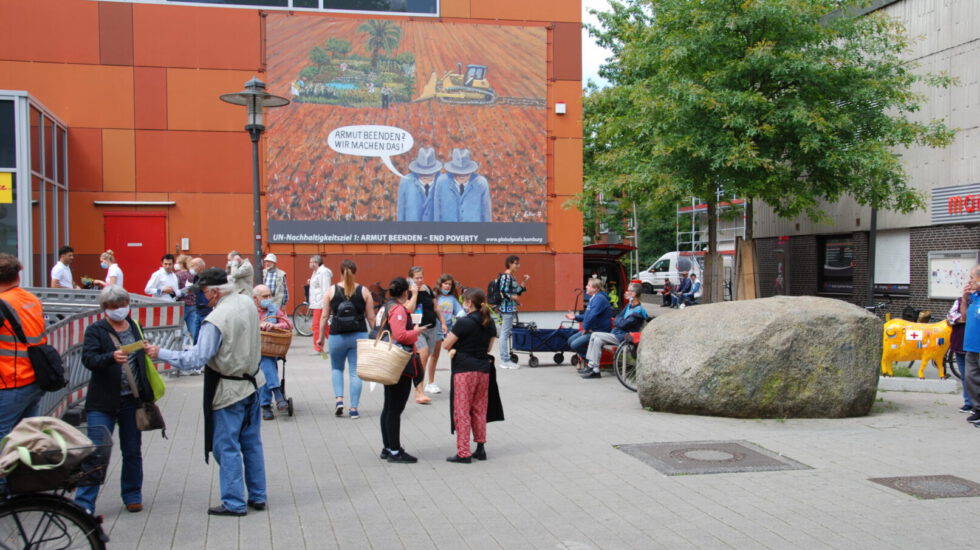
The location and timing of the mural installation were significant: a wall in the Karolinenviertel shortly before the G20 summit. The image was meant to reflect the power structures revealed so starkly at that time, while simultaneously addressing them in a way that was unexpected, perhaps even surprising or unsettling, for the neighborhood.
The resulting mural is an attempt to unite these different demands.
During the creation phase, we showed early drafts to various people and integrated their feedback wherever possible. It was not always easy to balance the tension between artistic intention and the participation of diverse people and to do justice to everyone. With the completed mural, the participatory process we intended was not finished; it continued through discussions about the mural, comments, and events.

Interview with the artist and mural designer Eckart Keller:
Eckart, you have been a mural painter for over 30 years: What does it mean to you to bring an image into public space? How does such an image arise within you and through you? Does the location, the neighborhood, or the size of the surface play a role, for example?
E.K.: The location plays an essential role! I came to mural painting through the magic of a situation in which a child saw itself reflected on a wall in its urban environment. Recognition is a key factor.
You have already created murals on political topics in Hamburg and elsewhere, for example at the Neuengamme concentration camp memorial. How do you view the relationship between art and politics? How can one manage to pack political messages or impulses into a (wall) image without it becoming too obvious or simplistic? Can art in public spaces also be attributed a democratizing or activating role?
E.K.: I think that art in public space is more or less a political matter, depending on how closely the content relates to the lived reality of people and to what extent it can point to connections beyond that.
Werner Tübke depicted the Thirty Years’ War in incredible complexity and richness in Bad Frankenhausen. He chose the site of the decisive battle to do so. That is a kind of contextual reference.
I began mural painting in my own residential surroundings. The theme was precisely this living environment. I also consider that political in itself.
How did the basic lines for the mural on the first sustainability goal, “End poverty – in all its forms and everywhere,” come about? Or put differently: How should one imagine such a visual creation process, in which in this case many people were involved—especially with a topic as highly complex as SDG 1?
E.K.: “Ending poverty,” as the first UN sustainability goal, is from the outset a political postulate. The question here is how I place this postulate in a real-world context. From the beginning, it was clear to me that one cannot simply depict manifestations of poverty, meaning poor people. The media do enough of that. The task was to ask: What are the causes of poverty, and what can realistically be done about it? In this regard, the contact with Dr. Gesine Schütte from the Institute for Science and Peace Research at the University of Hamburg was very helpful. The emergence of the image was preceded by a learning process, and the image should continue to evoke this learning process.
What considerations led to choosing the rural area as the central setting for the topic “Ending poverty”?
E.K.: Poverty is a global problem and must be fought where it arises. Eighty percent of the world’s hungry live in rural areas. Two-thirds of the hungry are smallholder farmers. A small piece of land is the last thing they own that still keeps them alive. That means the problem of poverty must be solved in rural areas! Rural populations must be better enabled to secure their daily livelihoods.
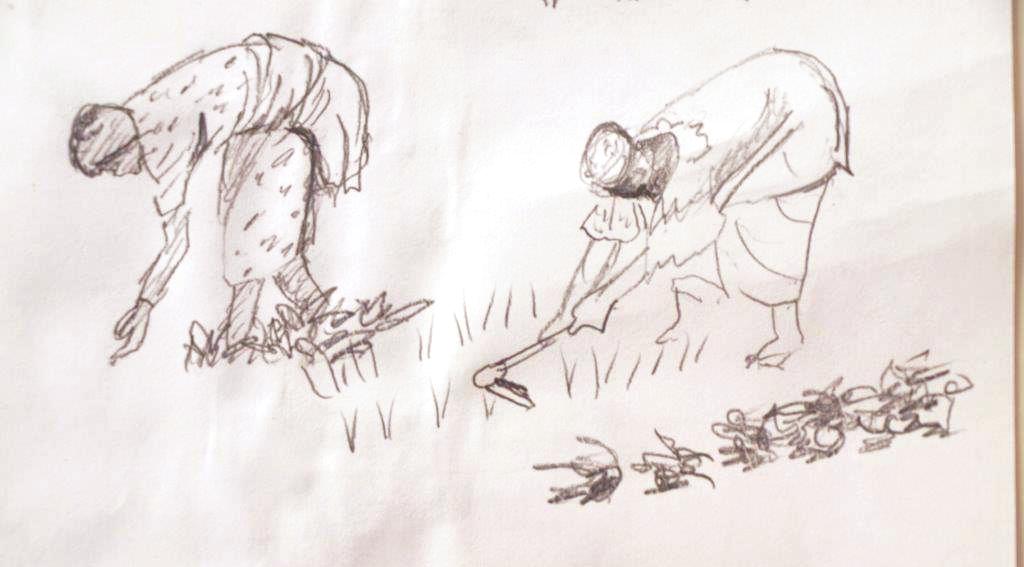
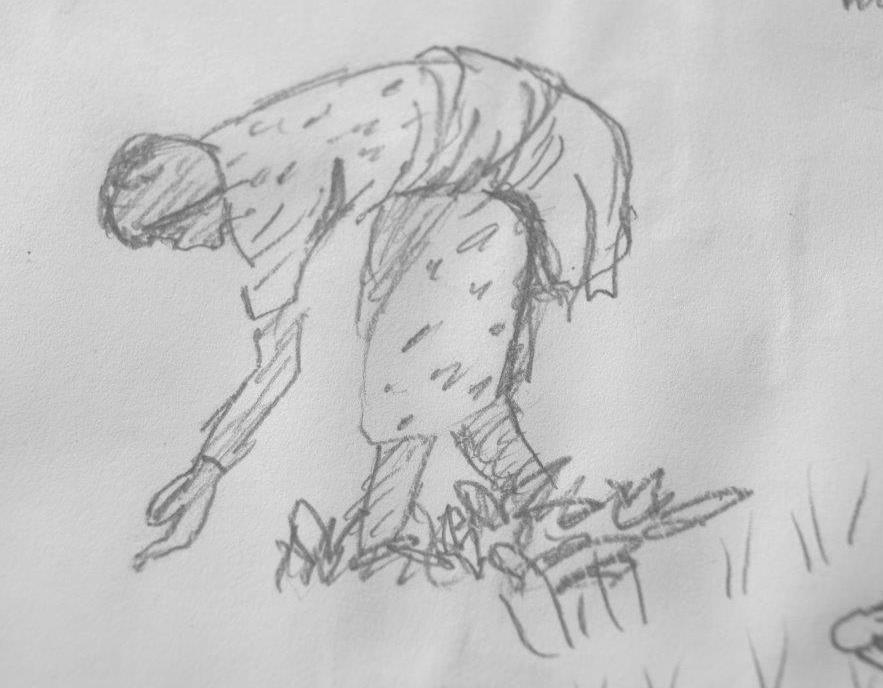
Can you explain some elements of the image in more detail: for example, the large fire-colored field? Or the “green idyll” with the working women?
E.K.: The so-called “idyll” represents an ideal type of land cultivation that has proven to be the most effective in terms of dry-matter yield: a mixed culture with high biodiversity, known as permaculture. Supporting this type of agriculture, which is partly traditional, could be a path toward self-sufficiency. What do we see instead? Destruction of biodiversity through, for example, glyphosate; expansion of monocultures; seed monopolization; land grabbing; and other solution-averse strategies in the name of progress.
Neoliberal economics has no democratic or social mandate, even though official statements like to give that impression. How should this image be understood in the context of the G20 summit taking place just around the corner in the Karolinenviertel?
E.K.: This image belongs to the local context of the G20 summit as well. I am very glad that we can present it in the Karolinenviertel. I think people there have a similar perception to mine: that strategies are being pursued in the name of fighting poverty that, in fact, exacerbate poverty.
During the painting process and the development of the image, did anything change in your own thinking? Did you discover areas of tension that only emerged during the creation of the image? Perhaps also anger or powerlessness in the face of the far-reaching implications the image conveys?
E.K.: Unfortunately, I do not have the feeling that the G20 summit represents the interests of the majority of people. That makes me uneasy! But I am glad to have articulated and shared aspects of this unease through the mural.
Thank you very much!